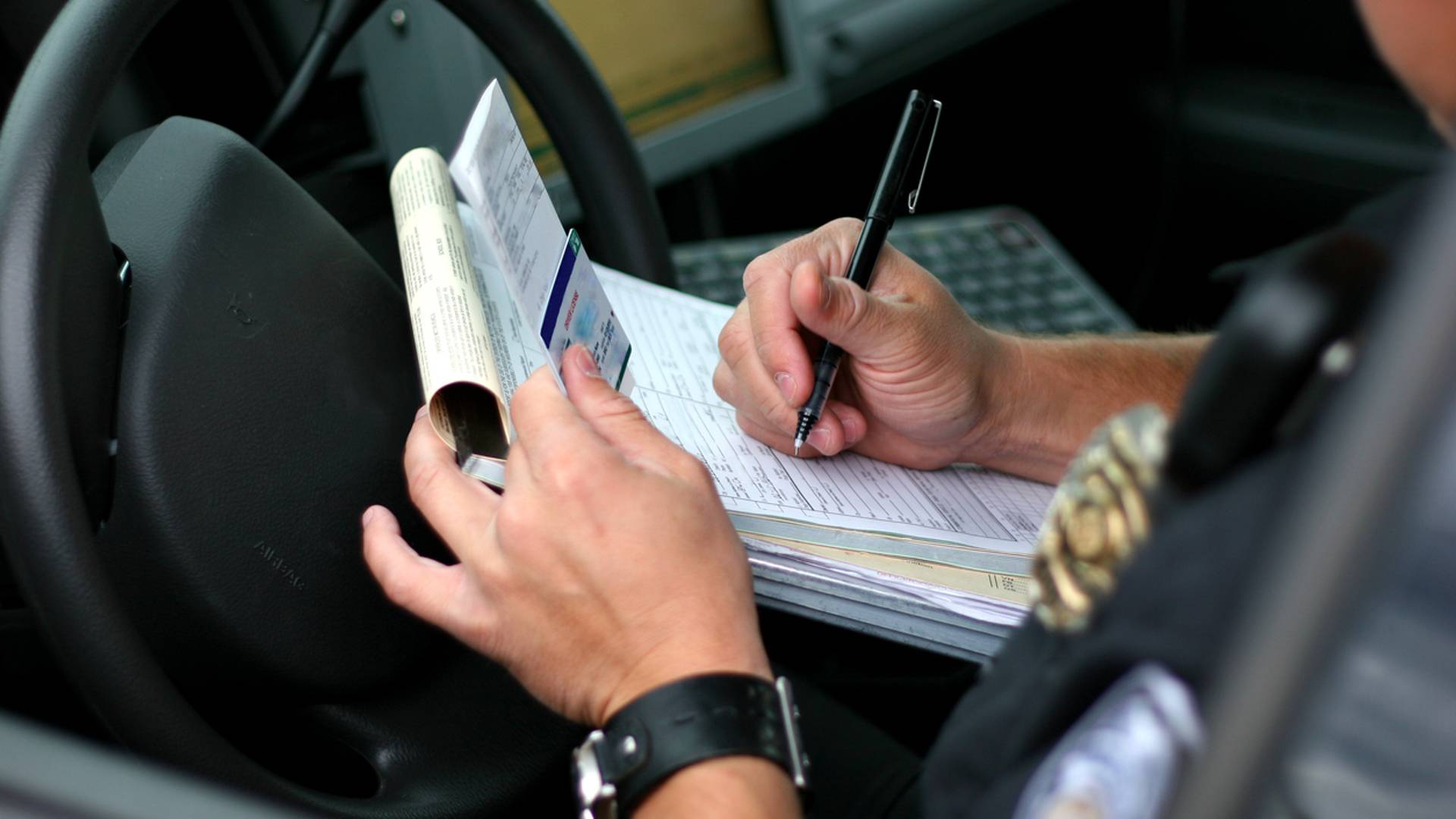
You are sitting at your kitchen table in Fort Wayne, looking at a fresh traffic ticket and wondering if you should just pay it and move on. The fine amount is staring back at you, and you are thinking about your insurance, your license, and maybe even your job if you drive for a living. The idea of going to court feels stressful, and part of you would rather not deal with it at all.
That reaction is very common. Many people are told that traffic tickets are “no big deal” and that fighting them is a waste of time. What they rarely hear is how a simple decision today can affect their Indiana BMV record, insurance rates, and even future stops on Fort Wayne roads. This is especially true if you already have prior tickets, hold a CDL, or rely on a clean record for work.
I practice criminal defense in Fort Wayne, and a significant part of my work starts with traffic stops and tickets that people thought were minor. I see what happens when drivers pay citations without understanding how Allen County courts and the Indiana BMV treat those convictions. In this guide, I will walk you through how to contest a traffic ticket in Fort Wayne courts, step by step, and help you decide when it makes sense to handle it yourself and when you should call Gregory A. Miller to talk through your options.
Contact our trusted traffic violation lawyer in Fort Wayne at (260) 833-7249 to schedule a confidential consultation.
Why Fort Wayne Drivers Think About Just Paying The Ticket
Most drivers who call me about a ticket start by saying they “just want it over with.” They worry that contesting will take multiple court dates, cost more than the fine, or simply annoy the judge. Many also assume that the officer’s word automatically wins and that there is no realistic way to challenge the ticket. With that mindset, paying online or by mail feels faster and safer than stepping into a courtroom.
In Indiana, paying a ticket is not just sending in money. It is an admission of responsibility that results in a conviction on your driving record. That conviction typically leads to BMV points, and the more points you accumulate, the more attention you get from your insurer and from the BMV. Even if the fine is relatively small, the long-term cost of higher insurance premiums can easily exceed what you paid to the court.
Some drivers face even more at stake. If you hold a commercial driver’s license, drive a company vehicle, or work in a job that checks your record regularly, a single conviction in Fort Wayne can affect your income and employment. I have seen people come in only after a second or third ticket, when they receive a suspension notice or a warning from their employer, and by that point, some options are no longer available. That is why I rarely recommend paying a ticket without at least understanding what it will do to your record and what alternatives exist in the Allen County system.
My approach in every traffic-related case, from simple infractions to OWI, is to protect my client’s rights from the beginning and to look for procedural or evidentiary problems that can help reduce or limit the damage. When you start from that perspective, “just paying it” is not the default; it is one option in a bigger strategic picture that you should only choose after you understand the consequences.
How To Read Your Fort Wayne Traffic Ticket And Spot Key Deadlines
The first step in deciding whether to contest a traffic ticket is understanding exactly what you received. A typical Indiana citation issued in Fort Wayne will list your name, address, the alleged offense, date and time, location, and the court that will handle the case. Somewhere on the front or back, you will usually see information about how to respond, and sometimes a date by which the court expects to hear from you.
Take a few minutes to find three key details. First, look for the specific code section or description of the offense, such as speeding, failure to yield, or disregarding a traffic control device. This affects how many points the conviction may carry and how seriously insurers view it. Second, locate the name of the court, which for Fort Wayne area tickets is often an Allen County court. Different courts can have slightly different procedures, so you need to know where your ticket is going. Third, identify any listed deadline, such as a “must respond by” date or an initial appearance date.
If you ignore that deadline, the court can generally enter a default judgment against you. That usually means the court treats the ticket as if you admitted the violation, imposes the fine, and may add other costs. You might never see the inside of a courtroom, but the conviction can still reach your BMV record. I have talked to drivers who assumed that silence meant the ticket went away. What actually happened was a default, followed later by notice of a problem from the BMV or its insurer.
It is also worth noting whether your ticket lists only infractions or if there are any criminal charges, such as OWI or driving while suspended. Infractions are civil, handled in traffic or infraction court, but criminal charges follow a more complex path and carry the risk of jail and a criminal record. A surprising number of criminal cases start with what appears to be a routine traffic stop. In my practice, I often review tickets for both infraction and criminal exposure at the same time so that we do not accidentally resolve one in a way that harms the other.
When clients bring their Fort Wayne tickets to me early, I go through this same exercise. I check the alleged offense, confirm the court, verify deadlines, and look for any obvious errors or omissions. That early review is what allows me to preserve options, such as contesting the ticket, seeking a reduction, or exploring diversion or deferral programs that may not be available if you wait too long or miss the initial response window.
Step 1: Deciding Whether Contesting Your Fort Wayne Ticket Makes Sense
Not every ticket needs a full contested hearing, and not every ticket should be paid without a fight. The decision depends on your record, the type of violation, and what you stand to lose. If you already have prior infractions on your Indiana BMV record, another conviction can push you closer to a suspension. If the ticket involves a high speed, a work zone or school zone, or an alleged violation that your employer takes seriously, contesting becomes more attractive.
CDL drivers and people who drive for a living have even more on the line. Some employers have policies that treat any moving violation as a problem, and certain offenses can affect your ability to hold a commercial license even if you were in your personal vehicle at the time. In those cases, spending the time to contest a ticket in Fort Wayne court, or to work out a reduced charge that has less impact, can be an investment in your livelihood, not just your peace of mind.
There are also situations where a negotiated resolution may make more sense than going all the way to a contested hearing. Depending on your record and the specific charge, you may be able to resolve the case through a reduction to a lesser infraction, traffic school, or a deferral or diversion program that keeps a conviction off your record if you comply with certain conditions. These options are not guaranteed, and they differ between counties, but in Allen County, they often come up only if you or your attorney actively seek them out.
You should also consider the practical costs. Contesting a ticket can mean taking time off work for court appearances, arranging transportation, and possibly paying attorney fees. For a first, low-impact infraction with little long-term risk, those costs may outweigh the benefit of contesting. For a ticket that carries significant points, involves a high-speed allegation, comes on top of prior tickets, or could affect your job, the balance often flips, and contesting becomes the smarter move.
When drivers call me about a ticket, I do not give a one-size-fits-all answer. I ask about their driving history, employment, licensing, and what matters most to them. Sometimes my advice is that they can probably handle a minor matter themselves, with some guidance. Other times, particularly when constitutional issues or serious collateral consequences are in play, I recommend that we step in early and build a deliberate defense strategy instead of leaving their future to chance.
Step 2: Entering A Not Guilty Plea In Fort Wayne Traffic Court
If you decide to contest your ticket, the next step is to enter a not guilty plea. This is what signals to the Fort Wayne or Allen County court that you are not simply paying the citation and that you want a hearing or at least an opportunity to discuss a resolution. The specific ways to plead not guilty can vary slightly depending on the court listed on your ticket, so it is important to follow the instructions on the citation and any information you receive from the court.
In many traffic courts, you have options such as mailing in a written plea, calling the clerk’s office for directions, using an online response system if the court offers one, or appearing in person at a designated time. Whatever method you use, keep a copy of what you send and note the date you sent it. If you call the clerk, write down the name of the person you spoke with and any confirmation number they give you. Waiting until the last day before a deadline increases the risk of mail delays or misunderstandings about whether your response arrived on time.
Entering a not guilty plea does not mean you are locked into a full trial. In infraction cases, it usually means the court will schedule a hearing date and notify you by mail. That hearing may be an initial conference date, a pretrial date, or a contested hearing date, depending on local practice. It also creates the space for an attorney to become involved, request information from the state, and speak with the prosecutor about potential ways to resolve the ticket short of a full hearing.
From a legal standpoint, a not guilty plea simply tells the court that the state still has to prove the alleged infraction. It preserves your right to contest the facts, challenge the officer’s observations or measurements, and raise any legal issues about the stop or the way the ticket was issued. If you plead guilty or admit responsibility, you give up those rights, and the court typically moves straight to assessing fines and reporting the conviction to the BMV.
Because I regularly interact with Fort Wayne and Allen County court staff and prosecutors, I have a sense of how not guilty pleas are typically processed and when the best opportunities are to negotiate or raise issues. When clients contact me before they enter a plea, I can help them respond correctly, avoid missed deadlines, and set the case up for the strongest possible position as it moves deeper into the local system.
Step 3: What To Expect Before Your Fort Wayne Traffic Hearing
After the court receives a not guilty plea, it will generally schedule your case for a future date and send you notice. For Fort Wayne and Allen County tickets, this notice usually tells you where to appear, the date and time, and whether the setting is an initial hearing, a pretrial conference, or a trial on the infraction. The timing can vary based on the court’s docket and how busy the schedule is, but it is common for the hearing to be several weeks or more after the plea.
This waiting period is not dead time. It is often when the most important work happens in your case. An attorney can typically request discovery, which in traffic cases may include the officer’s written report, dash or body camera footage if available, and any documentation related to the equipment used to measure speed or observe the violation. Reviewing this early gives us a chance to spot problems, such as unclear lines of sight, missing information, or inconsistencies between what is on the ticket and what appears in the report.
Before the hearing, there is also usually an opportunity to talk with the prosecutor. In traffic matters, these conversations can lead to reductions in the charge, agreements for traffic school, or deferral arrangements where the ticket is dismissed if you stay out of trouble and satisfy certain conditions. These are not automatic, and prosecutors make decisions based on the facts, your record, and local practices, but they are often only considered when someone contests the ticket and engages with the process.
During this time, I am methodical. I compare what my client remembers from the stop with what the officer wrote, look for issues with the basis for the stop, and think ahead to how the judge in that particular court tends to handle similar cases. In OWI and other criminal traffic cases, I also evaluate any testing, such as breath or blood results, for technical or procedural errors. That same attention to the details of law enforcement procedures and testing often helps in infraction cases, especially when the ticket depends on radar, lidar, or pacing without much corroborating evidence.
For many drivers, the biggest surprise is that a significant share of the outcome is shaped before they ever stand in front of the judge. By the time you walk into the Fort Wayne courtroom, your options may have been narrowed or expanded by what you or your attorney did during this pre-hearing period. That is why I emphasize early intervention and careful preparation instead of waiting to see what happens on the day of court.
Step 4: Preparing Evidence And Arguments To Contest The Ticket
Contesting a traffic ticket involves more than just telling the judge that you disagree with the officer. The court expects evidence and specific reasons to doubt the state’s case. That means you should think like someone building a file, not just someone venting about an unfair situation. The more concrete information you can gather about what actually happened, the more tools you and your attorney have to work with.
Start with what you personally can collect. If you have dash cam footage, save a copy and back it up. If there were passengers or other witnesses in your vehicle, write down their names and phone numbers while their memory is fresh. Consider visiting the location of the stop in daylight to take photos of signage, lane markings, visibility, and any obstructions. Small details, like a tree blocking a speed limit sign or a faded stop line, can matter when a judge weighs whether the state met its burden.
Many Fort Wayne tickets, especially speeding tickets, rely on speed measurement methods such as radar, lidar, or pacing. Radar and lidar devices need proper calibration and correct use to produce reliable readings. Pacing, where an officer matches your speed with their own, assumes that they maintained a consistent distance and had a clear view of your vehicle over a sufficient stretch. If the officer’s report or testimony leaves questions about distance, view, or calibration, that can give a judge a reason to doubt that the alleged speed has been proven by a preponderance of the evidence.
There are also procedural issues to consider. If the narrative on the ticket is incomplete, if the officer misstates the location, or if there are gaps between the report and what is visible on video, those inconsistencies can form part of a defense. In some instances, I see misapplied code sections or tickets written in a way that does not actually match the conduct described. These are the kinds of problems that may not be obvious to someone who does not work with traffic law regularly, but they can make a significant difference in negotiations or at a hearing.
My background includes challenging law enforcement procedures and tests in more serious cases, such as OWI prosecutions, where breath and blood results are central. That same technical focus carries over into ticket defense. I look closely at how the stop began, whether the officer followed required steps, and whether any equipment used had proper documentation. If I find weaknesses, I use them to argue for dismissals, reductions, or more favorable resolutions for my clients. Even when a case ultimately resolves by agreement instead of a full contested hearing, that preparation is often what creates leverage.
Step 5: Your Day In Fort Wayne Traffic Court
For many people, the courtroom itself is the most intimidating part of contesting a ticket. Knowing what to expect can reduce that anxiety and help you present yourself and your case more effectively. In Fort Wayne and Allen County, traffic and infraction hearings are typically held in courtrooms where many cases are set for the same time block, so expect to share the room with other drivers, officers, and attorneys.
When you arrive, you typically check in with a clerk or bailiff so the court knows you are present. Then you wait until your case is called. The judge, prosecutor, and often the citing officer will already be in the room. When your name is called, you go to the front. If you are self-represented, you will be the one speaking on your own behalf, and the judge will expect you to be respectful, organized, and ready to explain your position without arguing or interrupting.
A contested infraction hearing usually begins with the state’s evidence. The prosecutor may call the officer to testify about the stop, the alleged violation, and how speed or other facts were determined. After the officer testifies, you or your attorney has the opportunity to ask questions. This is where preparation pays off, because well-targeted questions can highlight uncertainties or contradictions that matter to the judge’s decision.
After the state’s case, you have the chance to present your own evidence. That can include your testimony, witness statements, photos, diagrams, and any video the court is able to review. The judge may ask questions directly to clarify details. At the end of the hearing, the judge typically decides whether the state met its burden and either finds the infraction proven or not proven. If the judge finds that the infraction was proven, they generally impose a fine and court costs and report the conviction to the BMV.
I appear in local courts on a regular basis, and that familiarity helps me guide clients through what will happen in their specific courtroom. Instead of walking in alone and guessing when to speak or what the judge expects, my clients have someone next to them who understands how to question the officer, when to make legal arguments, and how to frame the evidence in a way that addresses the judge’s real concerns. That support can make the difference between feeling overwhelmed and feeling that you had a fair opportunity to contest the ticket.
How Fort Wayne Traffic Cases Differ From Other Indiana Courts
One of the most common problems I see is drivers relying on advice from friends or online sources based on experiences in entirely different Indiana counties. Traffic courts across the state all apply the same broad laws, but their procedures, scheduling, and informal practices can vary a great deal. Fort Wayne and Allen County have their own way of handling infraction dockets, structuring hearings, and approaching plea negotiations.
For example, some counties focus heavily on pretrial conferences where most traffic cases are resolved before any contested hearing. Others move more directly from a not guilty plea to a trial setting. Some courts have deferral or diversion programs with standard terms. Others consider these options more informally, case by case. Fort Wayne tends to follow its own patterns for how often prosecutors negotiate, when they are open to reductions, and how judges expect cases to be presented.
This means that an approach that worked well for a friend in another Indiana county may not translate smoothly into the Fort Wayne system. Advice like “the officer never shows up here” or “they always offer traffic school” can be misleading and, in some cases, harmful. It can cause drivers to make risky decisions, such as skipping hearings or assuming a certain offer will appear automatically, which do not line up with how Allen County courts actually operate.
My work as a public defender and my membership in the National Association of Criminal Defense Lawyers keep me in courtrooms and legal discussions regularly. That ongoing involvement gives me a clear view of how local judges, prosecutors, and law enforcement handle real cases, including traffic matters. When I advise Fort Wayne drivers, I base my guidance on what I see in these courts frequently, not on generalizations from other places.
When To Handle A Fort Wayne Ticket Yourself And When To Call Me
After you understand the steps involved in contesting a ticket, the question becomes whether you should do it alone or with an attorney. There are situations where a driver with a clean record, facing a relatively minor infraction and limited stakes, may reasonably appear in Fort Wayne traffic court on their own. With some preparation and an understanding of the process, you may be able to explain your side, explore options like traffic school if available, and accept the result.
On the other hand, there are clear warning signs that you should consider calling me before you plead. If you hold a CDL or drive for work, if the ticket alleges a high speed or involves a school or work zone, if you already have prior infractions, or if the ticket is connected to an OWI or other criminal investigation, the risks of going alone increase significantly. In those cases, you are not just dealing with a fine. You are protecting your license, your income, and your record.
As a Fort Wayne criminal defense attorney, I do more than show up and ask for leniency. I look for legal issues in how the stop occurred and how the ticket was written, challenge law enforcement procedures and testing when appropriate, and negotiate from a position grounded in the evidence. I also make sure that any resolution we consider aligns with your bigger picture, such as avoiding a specific type of conviction that could affect your employment or professional licensing.
When someone calls me about a ticket, I personally review their citation, ask about their driving history, and talk through what they hope to achieve. Sometimes that conversation leads to the conclusion that they can handle the matter with some guidance on what to expect in court. Other times, the combination of prior tickets, employment concerns, or potential criminal exposure makes it clear that a more active defense is necessary. The point is that you do not have to make that decision in the dark.
Talk With A Fort Wayne Attorney Before You Decide What To Do With Your Ticket
A traffic ticket in Fort Wayne is more than a line on a piece of paper. How you handle it can affect your BMV record, your insurance costs, and, in some cases, your ability to work. Contesting your ticket involves clear steps, from reading the citation correctly and entering a not guilty plea to preparing evidence and appearing in court, and the way those steps play out in Allen County is different from what you may have heard about other places.
If you are unsure whether to pay your ticket, contest it, or try to negotiate something in between, you do not have to guess. I can review your ticket, your record, and your goals, then give you tailored advice based on real experience in Fort Wayne courts. Early guidance often helps prevent costly mistakes and helps you choose the path that best protects your license and your future.
Call (260) 833-7249 to discuss your Fort Wayne traffic ticket with Gregory A. Miller.