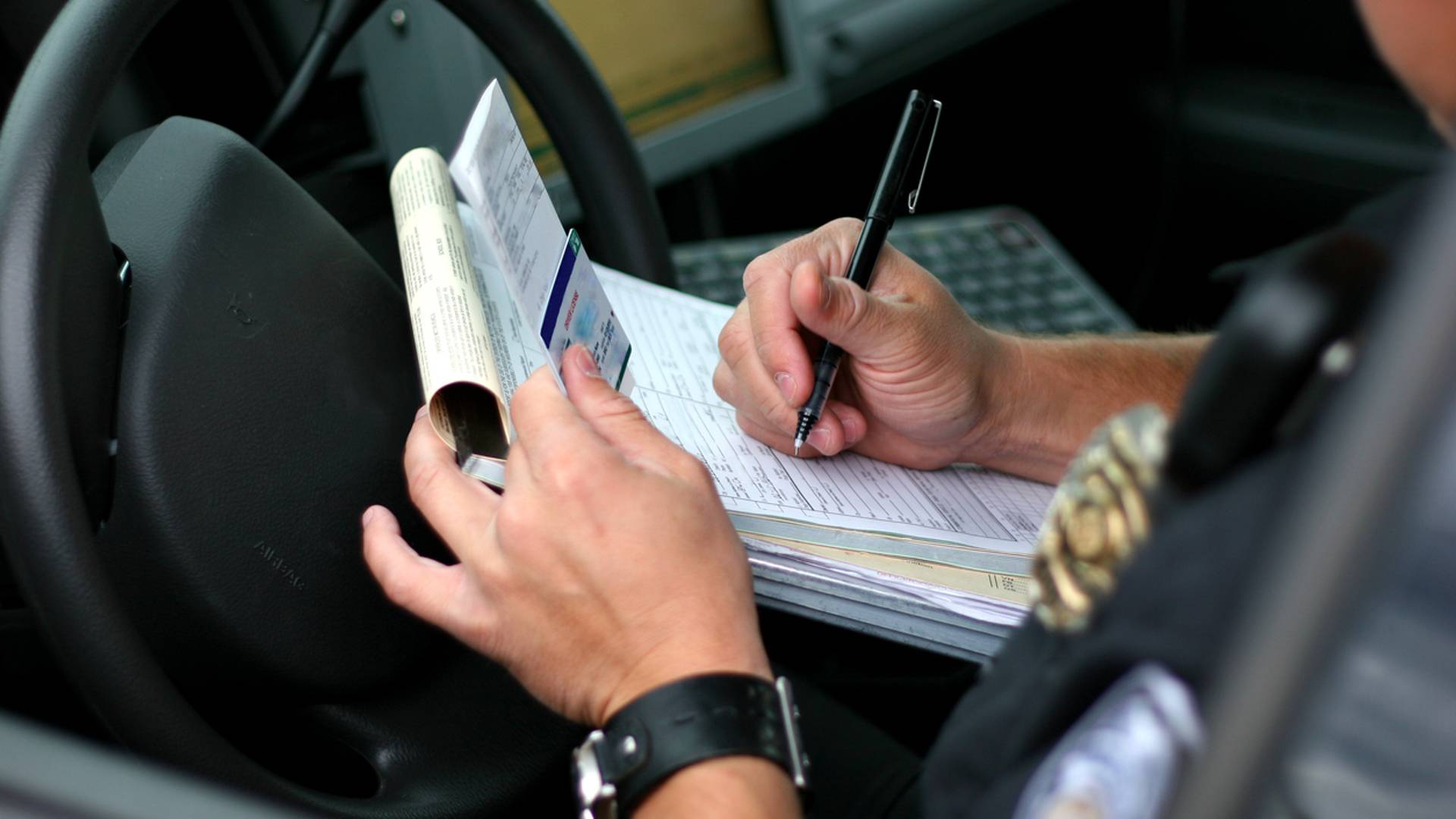
You probably did not think much about your license the first time you paid a ticket, but now, after a few citations and maybe an OWI, you are starting to wonder if Indiana is about to label you a habitual traffic offender. That worry usually hits when a new ticket shows up in the mail, a police officer takes your license at a stop, or an unexpected letter from the Indiana BMV lands on your kitchen table. The thought of being unable to drive to work or get your kids where they need to go is enough to keep anyone up at night.
Drivers across Fort Wayne and Northeast Indiana end up in this position every week. They are not hardened criminals. They are people who drove a little too fast, had one bad night with alcohol, or kept driving while their license was already under a short suspension. Indiana’s habitual traffic rules are not always obvious, and no one hands you a simple chart that explains how close you are to a long suspension.
As a Fort Wayne criminal defense attorney, I deal with the intersection of traffic tickets, OWI charges, driving while suspended, and Indiana BMV records on a regular basis. I have seen how a handful of decisions over several years can quietly push someone into habitual traffic offender status, and I have also seen how early, careful defense work can sometimes keep that from happening. In this article, I want to give you a clear picture of how this works in Indiana and what you can do now to protect your ability to drive.
If you are in Fort Wayne or anywhere in Northeast Indiana and are serious about protecting your license, I encourage you to reach out online or call (260) 833-7249 so we can talk about your options and build a plan tailored to your situation.
Why Drivers In Fort Wayne Worry About Being Habitual Traffic Offenders
Most of the people who come to talk with me about their licenses in Fort Wayne do not start with the phrase “habitual traffic offender.” They come in because they have just been charged with OWI, picked up another speeding ticket while already on a short suspension, or got pulled over and found out their license was suspended when they thought everything was fine. Somewhere in that process, a friend, a family member, or sometimes an officer mentions the word “habitual,” and the panic sets in.
In Northeast Indiana, the pattern is often the same. A driver has several minor speeding or equipment tickets, maybe an earlier OWI or reckless driving case, and one or two convictions for driving while suspended. Each time, they paid a fine, maybe lost their license for a short period, and then went back to life as usual. They assumed that as long as they took care of each case, the worst that would happen was a little money and some inconvenience.
The problem is that Indiana does not look at each ticket in isolation. The Indiana BMV looks at your record as a whole. Certain convictions, repeated over specific time frames, can trigger a much longer suspension than anything you have seen before. You do not get a loud warning that you are two steps away from a multi-year suspension. You see it only when the BMV has already acted and a letter shows up saying your license will be gone for years unless something changes.
In my criminal defense work in Fort Wayne, I routinely review driving histories from the Indiana BMV. I do this not just for people facing serious felonies, but for anyone whose record suggests they may be approaching habitual traffic offender territory. That habit of pulling the full record instead of just looking at the current charge is what often allows me to warn someone, in advance, that they are closer to a long suspension than they realize.
How Indiana Turns Repeat Tickets Into Habitual Traffic Offender Status
Indiana’s habitual traffic offender framework is based on convictions, not accusations and not just points. The BMV looks for specific types of serious driving and criminal traffic offenses within certain time windows. When you hit the wrong combination, you can be classified as a habitual traffic offender and face a suspension that is measured in years instead of months.
Serious traffic convictions are not limited to the worst possible conduct. Offenses such as OWI, driving while suspended, reckless driving, and leaving the scene of an accident are all examples of convictions that can carry extra weight. Repeating those kinds of offenses within a span of years is what often triggers habitual consequences. A pattern involving one OWI, a later driving-while-suspended conviction, and another serious traffic conviction in the same decade can be enough to bring the habitual label into play.
Here is a common pattern I see in Fort Wayne. A driver in their twenties gets an OWI and serves the short suspension the court ordered. A few years later, they pick up a reckless driving conviction from speeding well above the limit on I 69. A year after that, they get stopped for speeding again and, without realizing their license was still suspended from an earlier issue, are charged and convicted of driving while suspended. Each case on its own might not seem overwhelming, but combined on a BMV record, they can add up to a multi-year suspension as a habitual traffic offender.
Another example is a driver who keeps getting caught driving while suspended. They might originally lose their license over unpaid tickets or an earlier OWI, then get pulled over heading to work and plead guilty to driving while suspended. When that happens more than once within a certain period, the BMV may start to view that person’s record as a pattern of ignoring license laws, not just a series of small missteps. That can be enough to move someone from short, repeated suspensions into a much longer habitual suspension.
The Indiana BMV relies on the records it receives from courts around the state. When you plead guilty, or are found guilty, of a qualifying offense in Allen County or any nearby county, that conviction goes on your record. The BMV does not have to ask the judge whether you should be a habitual traffic offender. It looks at the pattern itself, applies the rules on qualifying offenses and time periods, and then issues a suspension if the thresholds are met. That is why the decisions you make about a current case in Fort Wayne can affect your license status years from now.
Common Myths About Habitual Traffic Offenders In Northeast Indiana
Many people in Northeast Indiana do not find out about habitual traffic rules until they are already in trouble. Before that, they often rely on advice from friends or assumptions that made sense at the time. Those assumptions can be dangerous. Clearing them up is often the first step in making better decisions about your record.
One myth I hear often is this. “I only need to worry if I get another OWI.” OWI convictions are serious, and repeat OWIs can certainly lead to long suspensions. But they are not the only problem. Driving while suspended, leaving the scene of an accident, and reckless driving can also count toward habitual status in ways people do not expect. A driver who avoids a second OWI but keeps getting caught driving on a suspended license may end up in just as much trouble with the BMV as someone with multiple OWIs.
Another common belief is, “If I just pay the ticket or plead guilty, it will be over.” In reality, paying a ticket is often the same thing as a conviction. That conviction stays on your Indiana BMV record long after the fine is paid and the short suspension ends. If the offense is one that counts in the habitual framework, it may be setting you up for a much longer suspension in the future. A quick plea to “get it over with” can be the step that quietly moves you past a threshold you did not even know existed.
I also hear, “Once the Indiana BMV sends a habitual traffic offender notice, nothing can be done.” It is true that, by the time you receive a habitual suspension letter, you are in a difficult position. However, there are situations where legal work on past or present convictions, or petitions for limited driving privileges, can change the picture. The options depend on the specific convictions on your record, how old they are, and what Indiana law allows in your situation. It is not as simple as “nothing can be done” or “everything can be fixed,” and the only way to know where you fall on that spectrum is to have someone walk through your record in detail.
These myths stick around because the immediate consequences of a ticket or charge are the ones everyone talks about. People talk about fines, short suspensions, and insurance rates. They do not talk nearly as much about what happens when several convictions stack up over years and the BMV looks at your record as a whole. Part of my work in Fort Wayne is to look past the short term and warn clients when a plea that seems harmless today could create a serious habitual traffic problem down the road.
What Really Happens When Indiana Suspends Your License As A Habitual Offender
When the Indiana BMV decides that your record meets the habitual traffic offender criteria, it does not quietly flip a switch without telling you. The BMV typically sends a notice to the address it has on file for you. That letter explains that you are being classified as a habitual traffic offender and states the length of the suspension. The suspension usually has a specific start date, which may be soon after the date of the notice, and a projected end date that can be several years away.
Many people first learn that they are habitual offenders when they open that BMV letter. Others only find out when they get pulled over in Fort Wayne or another Northeast Indiana community and the officer runs their license. Hearing from an officer, on the side of the road, that you are under a long-term habitual suspension can be a shock. In either case, the impact is the same. Suddenly, you are not dealing with a thirty day or ninety day suspension. You are looking at years without lawful driving privileges.
The real world impact of that kind of suspension in Fort Wayne is hard to overstate. Allen County and the surrounding area do not have the kind of public transportation network that would let most people simply stop driving. Getting to a job in an industrial park, getting kids to school or daycare, caring for an elderly family member, or attending medical appointments can all become expensive and complicated. Many people try to rely on friends and relatives, but that can strain relationships and is not a long term solution.
Another surprise is that the consequences do not stop at the suspension itself. If you keep driving while your license is suspended as a habitual traffic offender, you can face new criminal charges on top of the BMV action. A new driving while suspended charge while on a habitual suspension can lead to fines, possible jail time, and can make it harder to convince any court to give you limited driving privileges later. The suspension can feel like a trap. You need to drive to keep your life together, but driving can make your legal situation much worse.
I frequently meet people in Fort Wayne who only realized they were habitual offenders after being pulled over for something minor, like a burned out taillight, and then being arrested when the officer saw their status. At that point, the conversation is not just about one ticket. It becomes a conversation about a long suspension that has already been imposed and what, if anything, can be done to manage or improve the situation.
Defensive Moves That Can Reduce Habitual Traffic Offender Risks
The best time to deal with habitual traffic offender risk is before the BMV has made its decision and before you have crossed any thresholds. That means treating each new traffic or OWI charge in Fort Wayne as part of a bigger picture, not just a one time nuisance. Early intervention in a new case is often the difference between a record that the BMV can work with and one that triggers a long suspension.
When I take on a new driving related case, such as OWI or driving while suspended, one of the first things I do is review the client’s complete Indiana BMV driving record. I look at every qualifying conviction, the dates, and how Indiana’s rules could apply if another conviction is added. That review tells me whether we are operating with some room to spare or whether a guilty plea to the current charge could push the client across a habitual threshold.
With that information in hand, I focus on the evidence in the current case. In an OWI, for example, that means examining the legality of the traffic stop, whether officers followed proper procedures, and whether breath or blood testing was done correctly. I have a deep understanding of law enforcement procedures and alcohol testing issues, and that knowledge often helps identify weaknesses in the state’s case. If a shaky OWI charge can be dismissed or reduced to a less serious offense, that can prevent a conviction from landing on the record in a way that drives habitual status.
The same approach applies to driving while suspended cases. Sometimes the BMV record shows that a driver did not receive proper notice of an earlier suspension. Sometimes the suspension is tied to unpaid fines that can be addressed. In court, it may be possible to negotiate for an amended charge that does less damage to the record. None of this is automatic, and no outcome can be promised, but these are the kinds of defensive moves that can significantly reduce habitual traffic offender risks when they are pursued early and with a clear strategy.
In addition to challenging or negotiating current charges, there are situations where it makes sense to look backward at older convictions. Depending on the facts and the age of the case, post conviction work may open up limited opportunities to adjust parts of a record that are driving habitual status. That is not available in every case, and the law in this area is technical, but it is another tool that may be worth considering in serious situations.
For some drivers who are already under a habitual suspension, seeking specialized driving privileges is another option to explore. Indiana law allows certain people to ask a court for permission to drive for limited purposes, like work or medical appointments, under strict conditions. Eligibility depends on the person’s record, the reasons for the suspension, and other factors. When I evaluate a case, I discuss with clients whether this is something the law might allow for them and what steps would be required to pursue it in a Northeast Indiana court.
How Fort Wayne Courts & The Indiana BMV Interact In Habitual Cases
One of the most confusing parts of habitual traffic offender situations is the way the criminal courts and the Indiana BMV interact. Judges in Fort Wayne, and in other Northeast Indiana courts, control how your criminal or infraction case is resolved. They accept guilty pleas, preside over trials, and impose sentences like fines, probation, or short suspensions. The BMV, on the other hand, is an administrative agency that manages your license based on the record of convictions it receives from those courts.
When you plead guilty to OWI, reckless driving, or driving while suspended in an Allen County courtroom, that conviction is reported to the BMV. The judge might not say anything about habitual traffic offender status at the hearing, especially if your record is not in front of the court in detail. Months or years later, after several convictions have accumulated, the BMV may apply its own rules and decide that those convictions meet the criteria for a habitual suspension. That timing often surprises people, because the long suspension may come long after the last court date.
In my practice, I spend a lot of time explaining that the judge’s sentence and the BMV’s actions are separate conversations that share the same underlying facts. A plea deal that looks acceptable in the short term might trigger serious BMV consequences in the long term. Conversely, a carefully negotiated amendment, such as reducing a charge from a serious offense to a less serious one, can sometimes keep the BMV from categorizing someone as a habitual offender later.
My work as both a private criminal defense attorney and a public defender in the local community means I see a wide range of traffic and driving cases move through Northeast Indiana courts. I see how prosecutors usually charge these offenses, when they are open to negotiations, and how judges tend to respond to different fact patterns. That experience matters because it allows me to advise clients not just on what might happen in court next week, but on how those choices are likely to play out when the BMV looks at the whole record over time.
Steps To Take Now If You Are Worried About Losing Your License
If you are starting to worry that Indiana might treat you as a habitual traffic offender, the worst thing you can do is ignore that feeling. The second worst thing is to keep paying tickets or pleading guilty without understanding how close your record may be to a long suspension. There are practical steps you can take right now to get a clearer picture of where you stand and what options you may have.
First, gather your paperwork. That usually means any letters from the Indiana BMV, copies of recent tickets or charging documents, and any court paperwork you have from past driving related cases. It is also helpful to obtain a copy of your official driving record from the BMV. That record shows the convictions and suspensions that matter in the habitual analysis, and having it in front of you makes it much easier to see the pattern.
Next, stop making decisions about new tickets or charges on your own. Do not plead guilty or pay anything just to get it over with if there is any chance your record is already crowded with serious driving convictions. Once a conviction is entered, it is usually much harder to undo than it would have been to negotiate a better outcome at the start. A short delay to get legal advice is almost always worth it when your ability to drive for years may be on the line.
Finally, talk with a criminal defense attorney who regularly handles OWI, driving while suspended, and other driving related cases in Fort Wayne and Northeast Indiana. In my work at Gregory A. Miller, I sit down with clients, go through their driving record and current charges in detail, and explain what Indiana law likely means for them. I do not promise miracles, but I do offer a disciplined review and a strategy that takes both the court case and the BMV consequences into account.
Protecting Your License Starts With Knowing Where You Stand
Habitual traffic offender suspensions do not appear out of thin air. They are the product of a record that was never managed with the long term picture in mind. The good news is that once you understand how Indiana and the BMV look at your driving history, you can start making smarter choices about current and future cases. Sometimes that means fighting a charge. Sometimes it means negotiating for a different outcome. Sometimes it means exploring limited driving privileges to keep your life functioning while you work through a suspension.
No article can tell you exactly what will happen in your case, but a focused review of your driving record, your current charges, and any BMV notices can.
If you are in Fort Wayne or anywhere in Northeast Indiana and are serious about protecting your license, I encourage you to reach out online or call (260) 833-7249 so we can talk about your options and build a plan tailored to your situation.